Social Impact
Solar Spark for Nano-Communities
A Community-Driven Solar Prototype Shows How Small, Sparse Settlements Can Achieve Affordable, Safe, and Rapid Energy Access.
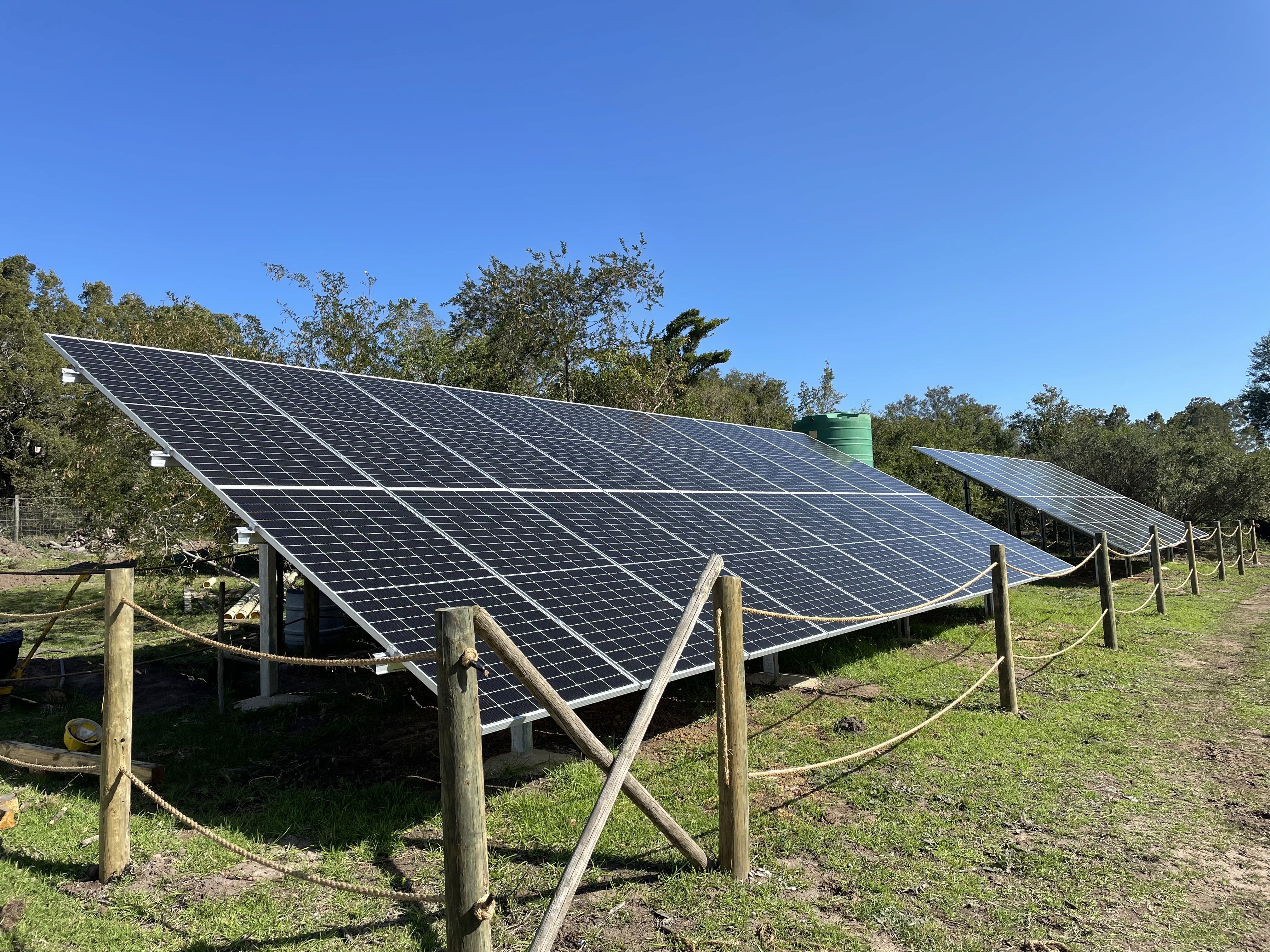
Lean Energy had the opportunity to partner with Stellenbosch University in this final year Industrial Engineering project, which demonstrates a powerful, low-cost solution to the energy poverty faced by many of South Africa's small, often overlooked micro-informal settlements. Due to their size and isolated locations, these communities are typically excluded from municipal infrastructure rollouts, leaving residents without basic electricity.

The Problem and the Opportunity
The lack of grid electricity forces these communities to rely on dangerous and inefficient light sources like candles, which pose a high risk of fires and contribute to health issues like asthma, particularly in children.
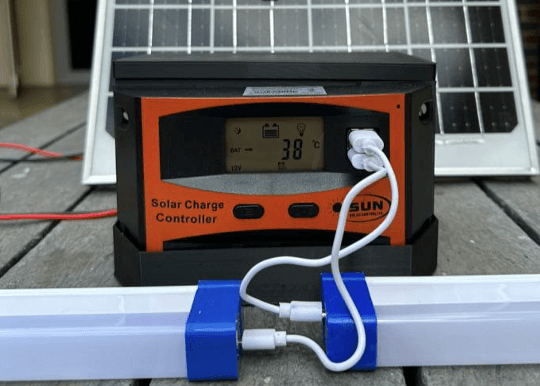
Crucially, the modest energy requirements of these micro-settlements present an ideal opportunity for decentralized, off-grid solutions. Rather than waiting for complex, expensive grid extensions, the team, in partnership with Lean Energy, developed a simple, community-focused Solar PV System.
A Human-Centered Solution
The project began by deeply engaging with the Stellenbosch community members. Through interviews, the team translated daily life and needs into precise functional requirements for the system, focusing on:
• Essential Lighting
• USB charging for smartphones
• Extensions for small devices like radios
The resulting prototype, which was tested in six homes over a two-week period, is a self-contained unit designed to meet these modest energy demands.
Impact and Efficiency
The results highlight the immense efficiency and tangible social benefits of this approach:
• Rapid Payback: The estimated payback time for the solar system is just six months, based purely on the cost savings from replacing candles.
• Unforeseen Social Gains: Beyond lighting and charging, the elimination of candles provides immediate, critical health and safety benefits, including a reduced risk of fires and a potential decrease in childhood asthma.
• A Model for Change: This initiative challenges the traditional notion that sparse, small communities in the Global South are too difficult to electrify. By showing that their modest needs make them perfect candidates for small-scale renewable energy, the project provides a blueprint for an equitable energy transition that leaves no community behind.
Final thoughts
This case study proves that focused, decentralized solar solutions offer an immediate, cost-effective, and safe path to energy access, transforming the lives of vulnerable communities far faster than traditional grid expansion models. We hope this work will prompt a rethinking of the challenges posed by sparse communities in the global south, empowering them with clean, sustainable power.